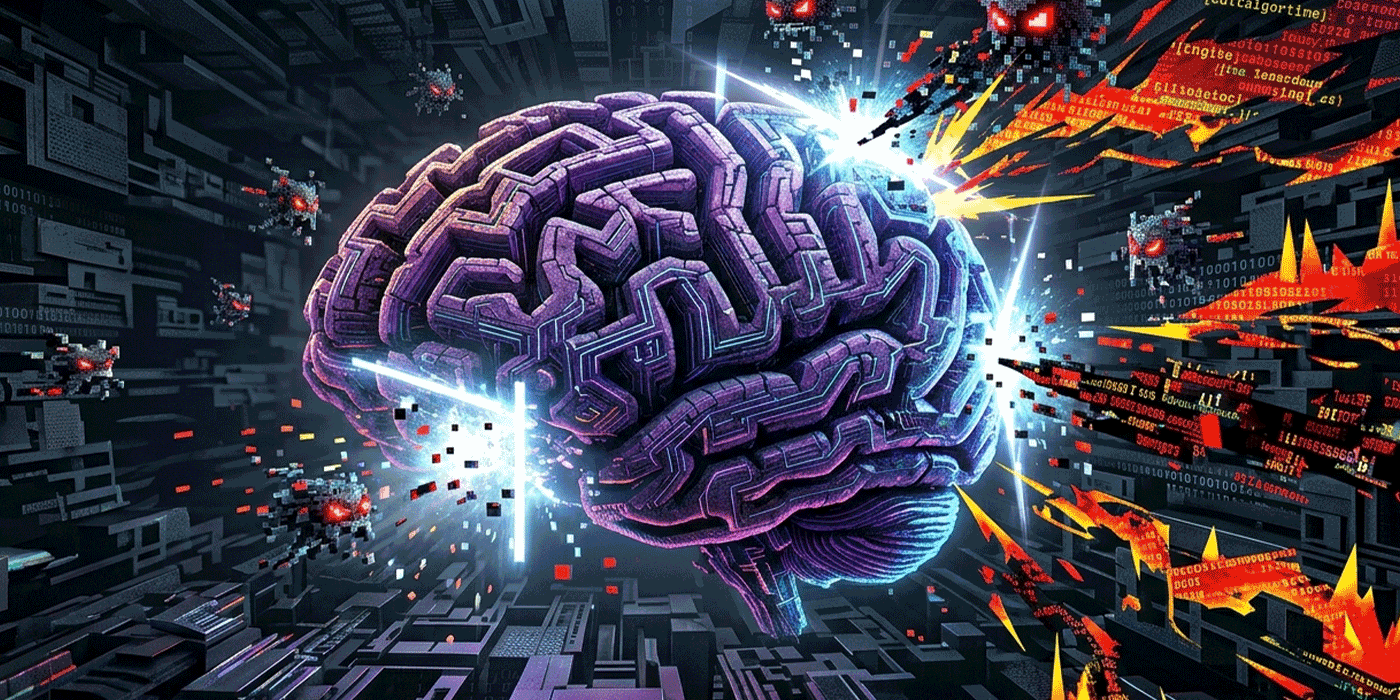
Why Your Brain Rejects Reality in the Digital Age - Dr. Tali Sharot
The Architect of Cognitive Belief: Dr. Tali Sharot
Investigating the neural mechanisms of optimism, influence, and the systematic formation of human belief.
Dr. Tali Sharot is a globally recognized professor of cognitive neuroscience at University College London and MIT, where she leads the Affective Brain Lab. Her research focuses on the biological foundations of decision-making and the complex question of how emotions and social factors distort our perception of reality. Through her extensive work, she reveals why the human brain tends to filter out negative information and which neural circuits control our pursuit of happiness and fulfillment in an uncertain world. Her analytical insights offer deep perspectives into psychological resilience and the mechanisms of social influence in an increasingly complex and interconnected digital landscape.
Her groundbreaking findings suggest that the rapid development of human belief is not merely a conscious choice but a deeply rooted biological process that helps us navigate existential uncertainty. Dr. Sharot explores the "Optimism Bias" as a transformative cognitive tool that can both empower the individual and create significant blind spots in our collective moral foundation. This perspective is crucial because it moves the conversation beyond simple psychology and into the realm of strategic mental maturation, suggesting that our future decisions will ultimately be a direct reflection of how well we understand the biological biases we project into the global network today.
“To make progress, we must understand the brain’s natural inclination toward optimism and the neurological traps of our own expectations.”
Through her scientific exploration of the "Influence" of information, Sharot seeks to systematically decode how we can raise the collective awareness of humanity by countering misinformation with a deeper understanding of human intelligence. She argues that by focusing on our inherent capacity for cognitive flexibility, we can create a resilient foundation that will not only survive the current information crisis but will actively guide society toward a future of mutual flourishing and intellectual excellence. This research represents the ultimate expression of human potential, as it requires us to master our own internal neural states in order to influence the massive external forces currently reshaping our modern civilization.
The Biological Root of Existential Stasis
Analyzing how the neural resistance to uncertainty prevents us from making necessary life changes.
The profound transition from a state of comfort to the unknown of a new beginning is often blocked by a deep-rooted biological fear of uncertainty. Dr. Tali Sharot explains that most people remain in unsatisfying relationships or stagnant careers because the brain perceives the "unknown" as a physical threat that must be avoided at all costs. Her research indicates that we are naturally inclined to choose a miserable certainty over a potentially better but uncertain future, leading to a state of chronic feeling lost. By bridging the gap between evolutionary survival and modern decision-making, she provides a unique blueprint for understanding why our minds prioritize the safety of the status quo over the risk of true fulfillment.
Sharot views this resistance to change not merely as a lack of courage, but as a sophisticated neural defense mechanism that has protected our species for millennia from unpredictable environments. She passionately calls upon every individual to recognize that the discomfort of uncertainty is a biological hurdle that must be actively managed rather than a sign to retreat. This perspective is crucial because it moves the conversation beyond simple motivation and into the realm of neurological strategy, suggesting that our personal growth depends on our ability to navigate these internal alarms. Our future success will ultimately be a direct reflection of how we choose to negotiate with our brain's inherent need for predictability and safety in a rapidly shifting world.
The biological necessity of control extends into our most fundamental physiological processes, influencing our stress response and our long-term immune function. Sharot's work demonstrates that even symbolic acts of choice can significantly lower cortisol levels and increase the brain's receptivity to positive environmental feedback. This insight provides a powerful tool for navigating highly structured or restrictive environments, allowing individuals to maintain a sense of internal dignity and purpose regardless of external constraints. By consciously exercising our agency, we transform from passive observers of our lives into proactive architects of our own mental landscape, ensuring that our cognitive resources are always aligned with our deepest values and most ambitious personal goals.
“Uncertainty is a state that people generally don't enjoy, and that fear often keeps us exactly where we no longer belong.”
Through her analysis of human choice, Sharot seeks to systematically raise the collective awareness of how we can overcome this stasis by understanding the mechanics of risk and reward. She argues that by focusing on our inherent capacity for agency, we can create a resilient foundation that will not only survive major life transitions but will actively guide the individual toward a higher state of existence. This mission represents the ultimate expression of human full potential, as it requires us to master our own internal states in order to influence the massive external forces currently reshaping our lives. Her insights act as a psychological compass that paves the way toward authentic sovereignty and a much deeper level of emotional intelligence in an increasingly complex and demanding social landscape.
By understanding the neural pitfalls of the modern mind, we enable a conscious realignment that paves the way toward authentic sovereignty and a much deeper level of emotional intelligence in a chaotic environment. Sharot’s work suggests that the ability to tolerate ambiguity is not just a personality trait but a high-level cognitive skill that can be developed through deliberate practice and scientific understanding. This perspective is vital for anyone looking to break free from the invisible chains of biological conditioning that keep us anchored in the past. It provides the necessary mental architecture to transform fear into a catalyst for profound personal evolution and a more authentic engagement with the ever-changing dynamics of our global society.
The Three Pillars of Human Fulfillment
Evaluating why happiness alone is insufficient and how meaning and variety complete the psychological triad.
The profound transition from chasing fleeting moments of joy to building a sustainable life of depth requires a fundamental shift in our understanding of well-being. Dr. Tali Sharot reveals that happiness is actually only one of three critical factors, alongside the necessity for personal meaning and the often-overlooked requirement for psychological variety. Her research shows that many high-achievers feel empty despite their success because they have optimized for comfort while neglecting the diverse experiences that keep the human brain engaged and alive. By bridging the gap between behavioral economics and deep psychology, she provides a unique blueprint for constructing a life that satisfies both our emotional needs and our biological craving for complexity.
Sharot views the singular pursuit of happiness as a limited approach that can lead to a sense of stagnation and a lack of overall life satisfaction in the long term. She passionately argues that we must embrace experiences that provide meaning, even if they involve temporary struggle, as these are the moments that truly define our personal narrative. This perspective is crucial because it moves the conversation beyond simple self-care and into the realm of existential architecture, suggesting that a well-rounded life is a deliberate construction of diverse challenges. Our future well-being will ultimately be a direct reflection of the balance we strike between the comfort of happiness and the profound weight of a meaningful, varied existence.
The integration of psychological variety serves as a vital safeguard against the numbing effects of modern routine and the algorithmic homogenization of our daily lives. Sharot suggests that seeking out new environments and unfamiliar challenges is essential for maintaining a high level of cognitive vitality and emotional resilience over the long term. This approach transforms our understanding of "leisure" into a strategic practice of mental expansion, where every new experience becomes a brick in the foundation of a more robust and flexible self. By prioritizing meaning and variety alongside happiness, we move away from a superficial existence toward a state of being that is truly capable of withstanding the inevitable pressures of our rapidly evolving global culture.
“Happiness is just one part of the puzzle; meaning and variety are what truly prevent the soul from feeling stagnant.”
Through her exploration of what makes life worth living, Sharot seeks to systematically decode how we can optimize our daily experience by integrating these three pillars into our routine. She argues that by focusing on our inherent capacity for adaptation, we can create a resilient foundation that will not only survive periods of low mood but will actively guide the individual toward fulfillment. This research represents the ultimate expression of human potential, as it requires us to master our own internal states in order to influence the massive external forces currently reshaping our modern civilization. By deconstructing our neural requirements for variety, she enables a conscious realignment of the mind in a world filled with digital noise and repetitive, unfulfilling information overload.
The pursuit of variety is not merely a lifestyle choice but a neurological necessity that prevents the brain from entering a state of habituation and mental decline. Sharot’s findings indicate that a diverse experiential landscape fosters greater neuroplasticity, allowing individuals to maintain their intellectual edge even in high-pressure professional environments. This perspective encourages a more holistic view of personal development, where the accumulation of diverse knowledge and experiences is seen as a primary driver of long-term psychological health. By embracing the complexity of a multi-faceted life, we unlock new levels of creativity and resilience, ensuring that we remain engaged with the world in a way that is both meaningful and profoundly satisfying.
The Power of Agency and Internal Control
Discovering how the simple act of making a choice recalibrates our brain’s preference for our current reality.
The profound transition from feeling like a victim of circumstance to becoming an active participant in one's life is triggered by the neurological power of agency. Dr. Tali Sharot explains that as soon as we make a choice, our brain immediately begins to rationalize that decision, making us feel more committed and satisfied with our new direction. Her research highlights that this "choice-justification" only works when we are the ones in control, as being forced into a path by others does not activate the same positive neural feedback loops. By bridging the gap between neurobiology and personal autonomy, she provides a unique blueprint for overcoming anxiety by reclaiming the power to decide even the smallest details of our daily lives.
Sharot views the lack of control as one of the primary drivers of stress and anxiety in modern society, especially in environments where our choices are increasingly restricted. She passionately calls upon every individual to embrace small acts of agency to signal to the brain that we are still in command of our own personal destiny. This perspective is crucial because it moves the conversation beyond general stress management and into the realm of biological empowerment, suggesting that mental health is deeply tied to our perception of freedom. Our future resilience will ultimately be a direct reflection of the agency we choose to embody and protect against the encroaching influence of external systemic pressures.
The biological necessity of control extends into our most fundamental physiological processes, influencing our stress response and our long-term immune function. Sharot's work demonstrates that even symbolic acts of choice can significantly lower cortisol levels and increase the brain's receptivity to positive environmental feedback. This insight provides a powerful tool for navigating highly structured or restrictive environments, allowing individuals to maintain a sense of internal dignity and purpose regardless of external constraints. By consciously exercising our agency, we transform from passive observers of our lives into proactive architects of our own mental landscape, ensuring that our cognitive resources are always aligned with our deepest values and most ambitious personal goals.
“Once you make a choice, your preferences change to match it, effectively creating your own satisfaction through the act of deciding.”
Through her studies on agency, Sharot seeks to systematically raise the collective frequency of humanity by showing that we have the power to alter our own psychological reality through action. She argues that by focusing on our inherent capacity for decision-making, we can create a resilient foundation that will not only survive external chaos but will actively guide us toward a more stable mind. This mission represents the ultimate expression of human full potential, as it requires us to master our own internal states in order to influence the massive external forces that are currently reshaping our fabric. Her research acts as a psychological compass that paves the way toward authentic sovereignty and a much deeper level of emotional intelligence in a world that often tries to automate our choices.
The deliberate exercise of agency serves as a vital safeguard against the feeling of helplessness that often accompanies modern systemic crises. Sharot’s work suggests that by focusing on the areas of our lives where we do have control, we can build the psychological momentum necessary to face larger, more complex challenges with confidence. This approach transforms our understanding of "willpower" from a limited resource into a renewable energy source that is fueled by the success of our own informed decisions. By reclaiming our agency, we move away from a state of reactive compliance toward a state of proactive leadership, ensuring that our lives are defined by our own intentions rather than the dictates of an increasingly automated and impersonal social network.
The U-Curve of Life and Midlife Realities
Uncovering the neurological patterns that cause happiness to bottom out during the middle years of the human journey.
The profound transition from the high expectations of youth to the grounded realities of midlife often results in a predictable dip in overall life satisfaction. Dr. Tali Sharot discusses the "U-curve of happiness," noting that humans are typically most optimistic in their early years, hit a biological "rock bottom" in their 40s, and then see an increase in well-being as they age. Her research indicates that this curve is largely driven by the alignment—or misalignment—of our expectations with the actual events of our lives as we navigate the complexities of career and family. By bridging the gap between life-stage psychology and brain science, she provides a unique blueprint for understanding that the feeling of being "lost" in midlife is often a universal biological phenomenon.
Sharot views this midlife dip not as a personal failure or a crisis to be feared, but as a natural recalibration of the mind's prediction engine as it moves toward a more realistic outlook. She passionately argues that understanding this pattern can significantly reduce the shame and anxiety many people feel when they aren't as happy as they expected to be during their prime years. This perspective is crucial because it moves the conversation beyond individual struggle and into the realm of shared human experience, suggesting that our eventual rise back up the curve is as inevitable as the dip itself. Our future clarity will ultimately be a direct reflection of how we choose to navigate these predictable neurological transitions with patience and a deeper understanding of our biology.
This natural neurological shift during midlife serves as a critical period of psychological maturation, where the brain sheds outdated illusions and prepares for a more authentic engagement with reality. Sharot emphasizes that this transition is necessary for developing the deep wisdom and resilience that characterize a fulfilling second half of life. By accepting this biological rhythm, we can move through the "rock bottom" with a sense of purpose, knowing that the neural circuits responsible for joy and satisfaction will eventually recalibrate in our favor. This understanding empowers us to view midlife not as a period of decline, but as a transformative gateway toward a more grounded and ultimately more satisfying expression of our true selves within the broader context of our lifelong development.
“We reach a biological rock bottom in midlife, but understanding this curve is the first step toward rising back to peak optimism.”
Through her mission to map the human experience, Sharot seeks to systematically decode how we can manage our expectations to smooth out the extremes of the happiness curve. She argues that by focusing on our inherent capacity for perspective, we can create a resilient foundation that will not only survive the midlife trough but will actively guide the individual toward a peaceful and fulfilling later life. This research represents the ultimate expression of human potential, as it requires us to master our own internal neural states in order to influence the massive external forces currently reshaping our modern civilization. Her findings are essential for developing strategic mental clarity and realizing the full human potential in a chaotic environment by deconstructing our neural pitfalls and enabling a conscious realignment.
The alignment of our internal expectations with the external realities of life is a fundamental skill that determines our long-term psychological stability. Sharot’s insights suggest that by letting go of unrealistic youthful projections, we open ourselves up to a more sustainable and durable form of happiness in our later years. This process of recalibration is not about lowering our standards, but about refining our focus toward the things that truly matter for human flourishing. By navigating the U-curve with awareness, we transform the challenges of midlife into a resilient foundation for a legacy defined by wisdom, emotional intelligence, and a profound sense of peace within our evolving role in the global community.
Optimism as a Self-Fulfilling Prophecy
Explaining why a slight increase in positive expectations can lead to significant gains in both health and financial success.
The profound transition from a pessimistic outlook to a strategically optimistic one can fundamentally alter the trajectory of an individual's professional and personal life. Dr. Tali Sharot points to startling data showing that even a small move up the optimism scale is correlated with substantial increases in annual salary and overall cardiovascular health. Her research reveals that optimists are more likely to take risks and persist in the face of failure because they believe a positive outcome is possible, which in turn makes that outcome more likely to occur. By bridging the gap between cognitive bias and real-world success, she provides a unique blueprint for using our internal expectations as a tool for creating tangible external improvements in our social standing.
Sharot views optimism not as a blind ignore-ance of reality, but as a necessary biological motivator that drives the effort required to achieve difficult global and personal goals. She passionately calls upon every individual to recognize that their explanatory style—how they interpret successes and failures—directly dictates their future capacity for action and leadership. This perspective is crucial because it moves the conversation beyond "positive thinking" and into the realm of neuro-economics, suggesting that our mindset is a measurable asset in the modern marketplace. Our future prosperity will ultimately be a direct reflection of the optimistic frameworks we choose to embody and project into the global network of human interaction today.
The strategic application of optimism functions as a psychological shield against the corrosive effects of chronic stress and systemic societal pressure. Sharot’s findings indicate that maintaining a positive future-orientation allows the brain to remain in a state of high-level cognitive functioning even when external circumstances are dire. This mental resilience is not just an emotional benefit; it is a critical competitive advantage that enables individuals to identify opportunities and forge connections that are invisible to the pessimistic mind. By deliberately cultivating an optimistic outlook, we are not just feeling better—we are actively re-engineering our neural pathways to become more effective, more creative, and ultimately more successful in every arena of our modern lives.
“Optimism is a self-fulfilling prophecy because the belief in a better future is the only thing that drives the action to create it.”
Through her exploration of the "Optimism Bias," Sharot seeks to systematically raise the collective frequency of humanity by showing that our expectations are the architects of our achievements. She argues that by focusing on our inherent capacity for hopeful projection, we can create a resilient foundation that will not only survive economic shifts but will actively guide society toward a future of excellence. This mission represents the ultimate expression of human full potential, as it requires us to master our own internal states in order to influence the massive external forces that are currently reshaping our civilization. Her research acts as a psychological compass that paves the way toward authentic sovereignty and a much deeper level of emotional intelligence in a world that often rewards those who dare to expect the best.
The conscious cultivation of optimism serves as a vital bridge between our current reality and the realization of our highest aspirations. Sharot’s work demonstrates that by expecting the best, we biologically prime ourselves for the sustained effort and high-level problem solving necessary to overcome complex obstacles. This proactive stance transforms our relationship with the future from one of passive dread to one of creative anticipation, where every challenge is seen as a temporary hurdle on the path to inevitable success. By anchoring our minds in a strategically optimistic framework, we ensure that our cognitive and emotional energy is always directed toward the constructive forces that will define the next chapter of our personal and collective evolution.
The Science of Influence and Social Persuasion
Decoding the neural mechanisms that determine how we successfully project our ideas into the minds of others.
The profound transition from a passive holder of information to a powerful agent of social influence requires a surgical understanding of how the human brain filters incoming data. Dr. Tali Sharot explains that our biological defenses are designed to reject information that threatens our existing worldviews, making traditional logical arguments often ineffective in shifting collective perspectives. Her research reveals that true influence occurs when we align our message with the brain’s inherent desires for reward, social connection, and the expansion of personal agency. By bridging the gap between high-level neuroimaging and practical communication strategy, she provides a unique blueprint for navigating a world where the battle for attention and belief is the primary driver of societal change.
Sharot views the modern crisis of misinformation not merely as a lack of facts, but as a failure of influential communication that fails to resonate with our deep-seated emotional needs. She passionately calls upon every individual to recognize that to be heard, one must move beyond the cold delivery of data and instead tap into the shared human values that facilitate neural openness. This perspective is crucial because it moves the conversation beyond simple rhetoric and into the realm of biological synchronization, suggesting that the most effective leaders are those who understand the neurobiology of their audience. Our future social cohesion will ultimately be a direct reflection of the empathy and strategic clarity we choose to embody and project into our daily interactions with the global community.
The ability to influence others is a fundamental survival skill that has been amplified by the rapid expansion of our interconnected digital networks. Sharot’s work suggests that when we lead with commonality and shared goals, we bypass the brain’s analytical skepticism and activate the neural pathways associated with trust and cooperation. This insight is vital for anyone looking to drive systemic change or simply improve their personal relationships in a world that is increasingly divided by ideological barriers. By mastering the science of persuasion, we transform from isolated voices into powerful catalysts for collective progress, ensuring that our most important ideas have the reach and impact necessary to shape the future of our global society.
“Influence is not about control; it is about creating a neural environment where another person’s brain feels safe enough to integrate a new perspective.”
Through her mission to decode the influential mind, Sharot seeks to systematically raise the collective frequency of humanity by showing that positive change is achieved through connection rather than confrontation. She argues that by focusing on our inherent capacity for emotional resonance, we can create a resilient foundation that will not only survive the age of polarization but will actively guide the individual toward a more collaborative future. This research represents the ultimate expression of human potential, as it requires us to master our own internal states in order to influence the massive external forces currently reshaping our modern civilization. By deconstructing our neural triggers, she enables a conscious realignment of how we share ideas in a noisy digital environment.
The mastery of influence represents a shift from a reactive mode of communication to a proactive and deeply human-centered strategy for social impact. Sharot’s findings indicate that by prioritizing emotional intelligence over raw technical data, we can create lasting changes in public perception and individual behavior. This approach encourages a more empathetic form of leadership, where the goal is to inspire and empower others rather than simply dominate the conversation. By refining our ability to project our ideas with clarity and compassion, we ensure that our contributions to the global discourse are not only heard but are actively integrated into the foundation of a more informed and harmonious society.
Overcoming the Brain’s Emotional Gatekeepers
Analyzing why high-stress environments cause our cognitive defenses to reject new and potentially life-saving information.
The profound transition from a state of open curiosity to one of rigid cognitive defense is a direct result of how the brain prioritizes survival under perceived emotional or physical threat. Dr. Tali Sharot demonstrates that when individuals are under high stress, their neural circuits become hypersensitive to negative information and increasingly resistant to positive or constructive feedback. Her extensive research at the Affective Brain Lab shows that this "threat-state" effectively shuts down the higher-level reasoning required for complex problem-solving and long-term strategic planning. By bridging the gap between clinical stress research and daily productivity, she provides a unique blueprint for recognizing when our internal gatekeepers are preventing us from seeing the very solutions we desperately need.
Sharot views this emotional filtering not merely as a psychological inconvenience, but as a transformative existential challenge that dictates our ability to adapt to a rapidly changing global landscape. She passionately argues that we must proactively manage our internal emotional climate to ensure that our brains remain receptive to the opportunities and insights that lead to growth. This perspective is crucial because it moves the conversation beyond simple stress management and into the realm of cognitive optimization, suggesting that mental clarity is a prerequisite for any meaningful form of success. Our future stability will ultimately be a direct reflection of the neurological hygiene we choose to practice and project into the high-pressure environments of our modern civilization.
The neurobiological reality of emotional gatekeeping explains why many people feel "stuck" even when presented with clear paths toward improvement or escape from negative situations. Sharot’s findings suggest that we must first lower the brain’s alarm response through deliberate calm and agency before we can expect to process new information effectively. This approach transforms our understanding of resilience from a passive endurance into an active biological strategy for maintaining mental openness. By mastering our emotional gatekeepers, we ensure that our cognitive resources are always available for innovation and growth, allowing us to navigate the complexities of the modern world with a sense of purpose and a clear, undistorted perception of reality.
“When the brain is in a state of fear, it stops looking for opportunities and begins searching only for exits—closing the door to all new information.”
Through her exploration of emotional processing, Sharot seeks to systematically decode how we can maintain cognitive flexibility even during periods of intense systemic pressure and social uncertainty. She argues that by focusing on our inherent capacity for self-regulation, we can create a resilient foundation that will not only survive periods of crisis but will actively guide the individual toward emotional excellence. This mission represents the ultimate expression of human full potential, as it requires us to master our own internal states in order to influence the massive external forces currently reshaping our fabric. Her research acts as a psychological compass that paves the way toward authentic sovereignty and a much deeper level of emotional intelligence.
The proactive management of our emotional states serves as a vital safeguard against the cognitive paralysis that often characterizes modern high-stakes environments. Sharot’s work emphasizes that by cultivating a sense of internal safety and agency, we can keep our neural circuits open to the creative and collaborative forces necessary for large-scale problem solving. This perspective encourages a more deliberate approach to mental well-being, where the maintenance of an open and receptive mind is seen as a primary driver of professional and personal success. By mastering our emotional gatekeepers, we ensure that we remain the captains of our own cognitive destinies, capable of navigating the most challenging storms with clarity, purpose, and a resilient commitment to our highest values.
The Relationship Between Money, Status, and Joy
Evaluating the precise neurological correlation between financial achievement and the subjective experience of happiness.
The profound transition from pursuing wealth as a goal to understanding it as a tool for agency reveals the complex relationship between our material success and our internal well-being. Dr. Tali Sharot notes that while money can significantly enhance our sense of control—a key driver of happiness—it follows a law of diminishing returns once our basic biological and social needs are met. Her research indicates that the "winning" associated with status and financial gain often provides a temporary neural spike that the brain quickly habituates to, leading to a constant pursuit of the next milestone. By bridging the gap between behavioral economics and the science of fulfillment, she provides a unique blueprint for prioritizing the experiences and connections that offer a more sustainable form of joy.
Sharot views the modern obsession with status not merely as a social vanity, but as a deeply ingrained neural pursuit for security and influence within the human hierarchy. She passionately argues that we must recognize the "hedonic treadmill" where every achievement simply resets our expectations for what life should be, leaving us perpetually unsatisfied despite our progress. This perspective is crucial because it moves the conversation beyond simple accumulation and into the realm of intentional living, suggesting that true wealth is found in our capacity for variety and meaningful connection. Our future contentment will ultimately be a direct reflection of the values we choose to embody and project into a world that often measures worth by cold, calculating algorithmic metrics.
The neurological data suggests that the most profound and lasting happiness is derived from the quality of our social bonds and the sense of agency we exercise over our daily lives. Sharot’s work emphasizes that while financial stability reduces the anxiety of uncertainty, it is the pursuit of shared meaning that ultimately prevents the existential disorientation of modern life. This insight is essential for anyone navigating the high-stakes world of modern achievement, as it provides a framework for balancing professional ambition with the biological requirements for emotional health. By aligning our pursuit of wealth with our need for connection and variety, we create a life that is not just successful on paper, but deeply fulfilling and resilient to the core.
“Winning is a catch; the moment you get what you want, your brain recalibrates and begins wanting something else to maintain its forward momentum.”
Through her study of reward systems, Sharot seeks to systematically raise the collective awareness of how we can achieve a state of lasting satisfaction by shifting our focus from status to purpose. She argues that by focusing on our inherent capacity for gratitude and internal validation, we can create a resilient foundation that will not only survive economic fluctuations but will actively guide the individual toward joy. This research represents the ultimate expression of human potential, as it requires us to master our own internal states in order to influence the massive external forces currently reshaping our modern civilization. By deconstructing our neural cravings for status, she enables a conscious realignment of our goals in a competitive global environment.
The pursuit of meaningful connection and personal growth serves as a vital anchor in a world that is increasingly obsessed with superficial markers of success. Sharot’s findings indicate that by investing in our relationships and our internal maturation, we create a form of wealth that is immune to the volatility of the external market. This perspective encourages a more deliberate and value-driven approach to our professional lives, where success is measured by the impact we have on others and the depth of our own fulfillment. By balancing the pursuit of status with the cultivation of authentic joy, we ensure that our lives are defined by a rich and enduring sense of purpose that transcends the temporary rewards of material achievement.
Cognitive Freedom in the Age of AI
Investigating how our biological biases are amplified or exploited by the increasingly complex algorithmic structures of today.
The profound transition from human-centered decision-making to a world defined by non-human intelligence presents an unprecedented challenge to our cognitive sovereignty and moral foundation. Dr. Tali Sharot explores how the same neural shortcuts that helped us survive in the wild are now being systematically triggered by digital platforms to capture our attention and influence our beliefs. Her research reveals that the "Optimism Bias" and our need for social confirmation are easily exploited by algorithms designed to maximize engagement through emotional resonance and echo-chamber dynamics. By bridging the gap between high-level engineering and cognitive neuroscience, she provides a unique blueprint for maintaining our intellectual independence in an environment that is increasingly engineered to bypass our conscious thought.
Sharot views the rapid integration of artificial intelligence into our lives not merely as a technical evolution, but as a transformative existential crisis for the autonomy of the human mind. She passionately calls upon every individual to become a responsible architect of their own digital experience, recognizing that the noise of the global network is often a reflection of our own biological vulnerabilities. This perspective is crucial because it moves the conversation beyond regulation and into the realm of mental maturation, suggesting that the future of our species depends on our ability to master our own internal states. Our future cognitive freedom will ultimately be a direct reflection of the awareness we choose to embody and project into the massive technological systems that now define our reality.
Maintaining cognitive freedom in the digital age requires a deliberate practice of "neurological hygiene" where we consciously audit the sources and triggers that shape our daily perceptions. Sharot’s work suggests that by recognizing the brain’s tendency to seek out comforting misinformation, we can develop the mental discipline to pursue the raw and often uncomfortable truth. This approach transforms our interaction with technology from a passive consumption into a strategic engagement, where we use digital tools to expand our potential rather than diminish our autonomy. By mastering our own cognitive biases, we ensure that we remain the primary creators of our own narratives, standing firm against the currents of algorithmic influence that seek to homogenize the human experience.
“The future of our digital world will be a direct reflection of the biological biases we choose to understand—or the ones we allow to be exploited.”
Through her exploration of the "Influential Mind," Sharot seeks to systematically decode how we can protect our mental autonomy by understanding the neural triggers that make us susceptible to algorithmic manipulation. She argues that by focusing on our inherent capacity for critical reflection, we can create a resilient foundation that will not only survive the technological singularity but will actively guide it toward a future of mutual flourishing. This mission represents the ultimate expression of human potential, as it requires us to master our own internal states in order to influence the massive external forces currently reshaping our civilization. Her findings act as a psychological compass that paves the way toward authentic sovereignty in an era of information overload.
The conscious defense of our intellectual independence is a vital necessity for maintaining a diverse and creative global culture. Sharot’s insights suggest that by fostering a deeper understanding of our own biological vulnerabilities, we can build a more resilient and empathetic relationship with the digital tools that increasingly shape our world. This perspective encourages a more proactive and ethically grounded approach to technological development, where the preservation of human agency is seen as a primary design goal. By reclaiming our cognitive freedom, we ensure that our digital offspring are raised with the same compassion and ethical clarity we would provide to our own children, creating a future where technology serves the highest expressions of human potential rather than its most primitive instincts.
Realizing Full Human Potential Through Neuro-Mastery
A concluding synthesis on how understanding our neural architecture leads to the ultimate expression of individual sovereignty.
The profound transition from being a slave to our biological conditioning to becoming the master of our own internal experience is the final frontier of human development. Dr. Tali Sharot concludes that the science of happiness and the mechanics of belief are the keys to unlocking a level of resilience and creativity that was previously thought to be impossible. Her life’s work demonstrates that when we understand the neurological traps of our own expectations, we are finally free to realign our perception of reality with our highest personal and collective goals. By bridging the gap between scientific precision and deep human philosophy, she provides a unique blueprint for navigating the shifting dynamics of a world that is increasingly defined by uncertainty and rapid change.
Sharot views the mastery of the mind not merely as a personal achievement, but as a necessary evolution for our entire species as we face the massive existential challenges of the twenty-first century. She passionately argues that by focusing on our inherent capacity for neuroplasticity and emotional intelligence, we can create a resilient foundation for a future defined by ethical excellence and mutual flourishing. This perspective is crucial because it moves the conversation beyond survival and into the realm of flourishing, suggesting that the ultimate expression of human potential is found in our ability to consciously shape our own mental landscape. Our collective future will ultimately be a direct reflection of the neurological maturity we choose to embody and project into the global network today.
The realization of full human potential is an ongoing process of deconstructing our neural pitfalls and building a mental architecture that supports our highest ambitions. Sharot’s work serves as a reminder that while our brains are hardwired with biases and fears, they are also equipped with the extraordinary capacity for adaptation and growth. By choosing to understand the biological foundations of our happiness and our beliefs, we gain the clarity necessary to influence the massive forces currently reshaping the fabric of our modern world. This journey toward neuro-mastery is the ultimate expression of individual freedom, allowing us to navigate the chaos of the information age with a sense of calm, a clear purpose, and a profound connection to the essential nature of our collective consciousness.
“To master your internal state is to influence the external world; the brain’s perception is the primary force that shapes the reality we live in.”
Through her ambitious global mission of scientific education, Sharot seeks to systematically raise the collective frequency of humanity by empowering every individual with the tools of cognitive self-mastery. She argues that by focusing on our inherent capacity for joy, variety, and meaning, we can create a resilient foundation that will not only survive the current mental health crisis but will actively guide society toward a future of authentic fulfillment. This mission represents the ultimate expression of human full potential, as it requires us to take total responsibility for the internal forces that dictate our external outcomes. Her research acts as a psychological compass that paves the way toward a much deeper level of sovereignty in an increasingly complex and demanding modern civilization.
The deliberate alignment of our internal neural states with our most ambitious global goals represents the highest expression of human agency and ethical leadership. Sharot’s final synthesis emphasizes that by mastering our own minds, we become the primary architects of a more harmonious and enlightened future. This approach transforms the study of neuroscience from a clinical discipline into a powerful tool for social and spiritual maturation, where the goal is the mutual flourishing of all sentient beings. By embracing the principles of neuro-mastery, we ensure that our lives are defined by a rich and enduring sense of purpose, capable of guiding the massive technological and social forces of our time toward a future of unparalleled creativity, compassion, and collective excellence.
Thank you, Dr. Tali Sharot.
Sources & References
Article Download as PDF
To provide a permanent record for your focused study, the full investigative report is available here as a professional document for your private records.
Read the analysis as a PDF in your browser
Click here to read the full analysis conveniently as a PDF document directly in your browser.
Complementary Video Insights
To complement this article, I have uploaded two deep-dive videos to my YouTube channel:
Dr. Tali Sharot
Dr. Tali Sharot
Support Independent Journalism
Your Support Options
PayPal: Direct Donation - Fast, secure, and globally recognized for one-time contributions.
BuyMeACoffee
Micro-Support: Perfect for a quick, casual digital coffee to show your thanks.
Stripe
Credit Card / Bank: Professional processing for subscriptions or larger donations.
If you find my work valuable, you can support it with a voluntary contribution here:
PayPal
Buy Me a Coffee
Stripe
Many thanks for your support!