Decoding the Secrets of a Perfect Night – Matthew Walker
Matthew Walker: The Guardian of the Night
Exploring the career of the neuroscientist who transformed our understanding of sleep from a passive state into a critical pillar of human health.
Matthew Walker is a professor of neuroscience and psychology at the University of California, Berkeley, where he also serves as the director of the Center for Human Sleep Science. Before his tenure at Berkeley, he held a faculty position at Harvard Medical School, where he began his deep dive into the neurological foundations of rest. His work has been instrumental in shifting the global conversation around health, moving sleep into the same tier of importance as diet and exercise. Through his extensive research, he has decoded how the brain processes emotions and consolidates memories during the night, providing a scientific basis for why we dream and how we heal.
As the author of the international bestseller Why We Sleep, Walker has become a leading public voice in science communication, bridging the gap between clinical data and daily life. He has consulted for professional sports teams, major tech companies, and government organizations to implement better sleep protocols for performance and safety. Beyond the laboratory, he is dedicated to fighting the global sleep loss epidemic by educating the public on the severe risks of deprivation. His mission is to dismantle the cultural stigma surrounding rest and to prove that a well-rested mind is the most powerful tool available for achieving long-term human potential.
„Sleep is not an optional lifestyle luxury; it is a non-negotiable biological necessity and the most effective health insurance policy you could ever wish for.“
His ongoing contributions to neuroscience continue to reveal the intricate links between nocturnal recovery and the prevention of chronic illnesses such as Alzheimer’s and cardiovascular disease. By combining rigorous academic study with actionable public health advice, Walker remains a pivotal figure in the conscious health movement. He continues to advocate for a society that aligns its structures with human biology, ensuring that the transition to a more productive future does not come at the cost of our fundamental well-being. Through his guidance, millions of people are rediscovering the transformative power of a full night’s rest.
The Global Sleep Loss Epidemic
Why the modern world is waging a silent war against our biology and the devastating economic and physical consequences of chronic deprivation.
The modern world is currently gripped by a silent but devastating sleep loss epidemic that threatens the very fabric of our public health and economic stability. Matthew Walker argues that society has fundamentally misconstrued sleep as a luxury or a sign of weakness, leading to a culture where burnout is worn as a badge of honor. This collective neglect has resulted in staggering costs, with nations losing billions in productivity and individuals facing a massive surge in chronic diseases. By forcing our bodies to operate against their natural evolutionary design, we have created a high-stakes conflict between the demands of the modern economy and our basic biological requirements.
This systemic deprivation manifests in a wide array of physical ailments, ranging from cardiovascular disease and obesity to severe mental health struggles. Walker highlights that when we sacrifice sleep, we are not just losing time; we are actively damaging the metabolic processes that keep us lean and the immune responses that protect us from pathogens. Research shows that insufficient rest causes a significant portion of weight loss to come from lean muscle mass rather than fat, effectively sabotaging our fitness efforts. The damage is nearly universal, affecting every major organ system and cognitive function, making it impossible for the human body to maintain its structural and functional integrity.
To reverse this dangerous trend, Walker suggests a radical redesign of our social structures, starting with the way we value rest in professional and educational environments. We must transition away from the always-on mentality and toward a culture that respects the biological necessity of the eight-hour sleep window. This requires structural changes like flexible work hours that accommodate different chronotypes and a public education effort to destigmatize the act of resting. Only by acknowledging sleep as the fundamental pillar of health can we begin to heal the damage caused by decades of neglect. Reclaiming our nights is the first step toward building a society that is not only more productive but also more compassionate.
"Sleep is the single most effective thing we can do to reset our brain and body health each day; it is the foundation upon which diet and exercise sit."
The transition to a sleep-positive culture requires individuals to take personal responsibility for their recovery while demanding better standards from their institutions. Walker views himself as a sleep ambassador, dedicated to translating complex neuroscience into actionable habits that anyone can implement to safeguard their future. When we prioritize sleep, we are making a strategic investment in our cognitive clarity and emotional stability, ensuring that we show up as the best versions of ourselves. This paradigm shift is essential for anyone looking to reach their full human potential in an increasingly complex and demanding world.
Ultimately, the science of sleep proves that we cannot cheat nature without paying a significant price in the form of reduced lifespan and vitality. By embracing the protocols outlined by experts like Walker, we align ourselves with millions of years of evolutionary wisdom that prioritized rest as a survival mechanism. This is not merely about avoiding tiredness; it is about optimizing the very essence of what it means to be a healthy, functioning human being. As we move forward, the ability to protect our sleep will become the ultimate competitive advantage in the pursuit of a conscious and flourishing life.
The Caffeine Paradox and Its Hidden Costs
Analyzing the chemical deception of stimulants and how our daily coffee habits disrupt the fundamental architecture of restorative deep sleep.
The widespread reliance on caffeine as a productivity tool has created a hidden crisis in our collective sleep architecture that most people fail to recognize. Matthew Walker warns that while coffee may feel like a miracle drug, its long half-life means that even a midday cup can severely disrupt the quality of our nightly rest. Caffeine works by blocking adenosine receptors, the chemical responsible for building up sleep pressure throughout the day, effectively tricking the brain into feeling awake. However, once the caffeine wears off, the accumulated adenosine floods the system, leading to a massive energy crash that often prompts further consumption. This cycle creates a permanent state of low-grade exhaustion that prevents the body from ever reaching the most restorative stages of deep sleep.
Beyond simply making it harder to fall asleep, caffeine significantly reduces the amount of slow-wave sleep we experience, which is critical for physical repair and memory consolidation. Even individuals who claim they can sleep perfectly after a double espresso often show fragmented and shallow sleep patterns when monitored in a laboratory setting. These micro-awakenings prevent the brain from completing its essential housekeeping tasks, such as flushing out metabolic waste and stabilizing emotional responses. Walker advises a strict caffeine curfew, ideally stopping all intake by noon, to allow the liver enough time to clear the stimulant before the head hits the pillow. By managing our relationship with stimulants, we can restore the natural ebbs and flows of our energy levels.
The long-term impact of disrupted sleep architecture due to caffeine includes diminished cognitive focus and an increased reliance on external substances to maintain alertness. Walker emphasizes that we must respect the biological timeline of detoxification if we want to experience the true benefits of a deep, uninterrupted night. Breaking the cycle of caffeine dependency is a vital step toward reclaiming the natural power of our own nervous system to regulate wakefulness. As we become more mindful of how we use stimulants, we allow our brain to return to its baseline of clarity and sustainable energy. This awareness is the key to unlocking a more authentic and high-functioning state of being during our waking hours.
"Caffeine is a master of disguise; it doesn't give you energy, it simply hides the fact that you are biologically exhausted."
The deceptive nature of caffeine often masks the underlying signs of sleep debt, leading to a false sense of security regarding our health and performance. We must learn to distinguish between genuine alertness and the jittery stimulation provided by chemical substitutes that offer no long-term benefit. By prioritizing natural sleep pressure over artificial blocks, we facilitate a more profound and efficient recovery process that serves the body on a cellular level. This shift in perspective allows us to view caffeine as a rare tool rather than a daily necessity for basic survival.
Ultimately, the goal is to foster a relationship with our energy levels that is based on recovery rather than suppression. Walker’s research serves as a reminder that there are no shortcuts to true vitality, and that chemical intervention always comes with a physiological cost. By making small adjustments to our consumption habits, we can significantly enhance the quality of our sleep and, by extension, the quality of our lives. Reclaiming our natural rhythm from the grip of stimulants is a foundational act of self-care in the modern age.
Decoding Your Genetic Chronotype
Why your internal clock is a hardwired biological trait and how aligning with your natural rhythm can eliminate social stigma and boost performance.
One of the most profound insights into human biology is the existence of the chronotype—the genetically determined internal clock that dictates when we are naturally inclined to rest. Matthew Walker emphasizes that being a morning lark or an evening owl is not a lifestyle choice but a hardwired trait that served a vital evolutionary purpose. In ancestral times, having staggered sleep schedules ensured that someone was always awake to guard the group, providing a 360-degree window of protection. Today, however, our rigid society unfairly penalizes evening types, labeling them as lazy despite their biological inability to thrive in early-morning environments. This mismatch leads to chronic social jetlag, which significantly increases the risk of mental health issues.
The societal pressure to conform to a single standard of wakefulness ignores the diversity of human biology and limits the potential of millions of individuals. When evening types are forced to work during their biological midnight, their creativity, decision-making, and emotional regulation are severely compromised. Walker advocates for a more inclusive approach to labor and education that respects the individual chronotype, allowing people to work when they are most alert. This alignment not only improves personal well-being but also enhances the overall productivity and innovation of the collective workforce. By acknowledging our genetic differences, we can build a world that fosters excellence rather than forcing unnatural and harmful conformity.
Understanding your own chronotype is the first step toward a personalized health strategy that works with your body instead of against it. Walker suggests that once we identify our natural rhythm, we can structure our most demanding tasks during our peak hours of alertness and save routine work for lower energy periods. This strategic management of time allows us to achieve more with less effort while protecting our mental and physical health from the stress of misalignment. It is a powerful form of self-knowledge that empowers us to optimize our daily lives for maximum fulfillment and efficiency. Embracing our biological identity allows us to navigate the world with a sense of purpose and ease.
"Your chronotype is not a choice; it is a genetic reality that dictates the rhythm of your life and the health of your future."
The removal of the stigma associated with late-night productivity is essential for the psychological health of the significant portion of the population that are evening owls. We must stop equating early rising with moral superiority and instead celebrate the diverse ways in which humans contribute to society throughout the day. This shift in perception would allow for a more compassionate and effective social structure where everyone has the opportunity to shine. By providing the space for people to honor their internal clocks, we unlock a massive reservoir of untapped human potential.
Ultimately, the recognition of chronotypes is an act of biological justice that restores dignity to those who have long been misunderstood by traditional standards. Matthew Walker’s work provides the scientific evidence needed to challenge outdated norms and build a future that is truly human-centric. As we align our lives with our internal clocks, we experience a new level of vitality and clarity that permeates every aspect of our existence. This is the essence of living in harmony with our nature in a world that often demands otherwise.
Sleep, Libido, and Hormonal Balance
Exploring the direct link between nocturnal recovery and reproductive health, and how an extra hour of rest can revolutionize your intimate life.
Matthew Walker reveals a startling and often ignored connection between sleep quality and the fundamental drivers of human reproduction and intimacy. He notes that sleep is the primary regulator for the production of testosterone in men and estrogen and luteinizing hormones in women. When we deprive ourselves of rest, we are essentially aging our reproductive systems by years in a matter of days, leading to a significant drop in vitality and sex drive. The data shows that a man who sleeps only five hours a night has a testosterone level typical of someone ten years older. This hormonal collapse affects not only fertility but also the general drive and ambition that define a high-functioning individual.
The impact on women is equally profound, with research indicating that every additional hour of sleep can increase the likelihood of intimacy with a partner by 14 percent. This biological boost is more effective than many clinical drugs designed to enhance libido, proving that sleep is the ultimate natural aphrodisiac. Walker emphasizes that a lack of sleep also impairs the brain's ability to read social cues and emotional nuances, often leading to increased conflict and decreased empathy within relationships. By prioritizing sleep, couples can improve their emotional bond and their physical connection simultaneously. It is a holistic approach to relationship health that starts with a commitment to the bedroom as a place of true sanctuary.
Furthermore, Walker addresses the stigma of "sleep divorce," explaining that many happy couples choose to sleep in separate beds to optimize their individual recovery. While subjective reports often favor sleeping together for comfort, objective data shows that partners frequently disrupt each other’s deep sleep stages through movement or snoring. Prioritizing the quality of rest over the traditional expectation of sharing a bed can paradoxically strengthen a relationship by ensuring both partners are emotionally stable and physically energized. It is about finding a functional balance that respects the biological needs of both individuals. This practical approach to sleep hygiene is essential for maintaining long-term passion and health.
"If you want to improve your intimate life and your hormonal health, the most powerful tool you have is not found in a pharmacy, but in your pillow."
The correlation between rest and sexual health serves as a powerful reminder that our bodies operate as a unified system where recovery dictates performance. When we are well-rested, our confidence, physical appearance, and emotional availability are at their peak, making us more attractive and engaged partners. Matthew Walker’s findings suggest that we have undervalued the role of sleep in our social and romantic lives for far too long. By reclaiming our nights, we are also reclaiming the energy required to foster deep and meaningful connections with others. It is an essential component of the human experience that requires active protection.
Ultimately, the preservation of our hormonal balance is a key factor in our overall longevity and psychological well-being. Sleep acts as the master conductor of our internal chemical orchestra, ensuring that every hormone is released in the correct amount and at the right time. When we disrupt this process, we invite chaos into our biology, leading to a cascade of negative effects that extend far beyond simple tiredness. By following Walker’s advice to prioritize the eight-hour window, we are safeguarding the very essence of our vitality. This is the foundation upon which a vibrant and conscious future is built.
Strategic Cooling for Deep Sleep
How temperature regulation acts as a biological trigger for the brain and the specific protocols to achieve the ideal thermal environment for rest.
Temperature is one of the most underrated factors in the science of sleep, as the body must drop its core temperature by about 2 to 3 degrees Fahrenheit to initiate rest. Matthew Walker explains that our brains are highly sensitive to thermal cues, which is why it is often easier to fall asleep in a room that is too cold than in one that is too hot. The ideal bedroom temperature for most people is approximately 65 degrees Fahrenheit (18°C), a setting that facilitates the natural cooling of the internal organs. This physiological shift signals to the brain that it is time to transition from the active state of wakefulness to the restorative state of deep sleep. By controlling our environment, we can hack our biology to fall asleep faster and stay asleep longer.
A powerful technique to accelerate this process is taking a hot bath or shower shortly before bed, which paradoxically helps the body cool down. The heat causes blood to rush to the surface of the skin, a process called vasodilation, which allows the core to dump its heat rapidly once you step out of the water. This rapid drop in core temperature acts as a biological "off switch," making the transition into sleep feel more natural and effortless. Walker suggests that even warming the hands and feet through socks or a hot water bottle can assist in this process by drawing heat away from the center of the body. These simple thermal strategies are often more effective than any pharmacological intervention for those struggling with insomnia.
Maintaining a cool environment throughout the night is also crucial for preventing mid-night awakenings and ensuring the continuity of the sleep cycle. When the room is too warm, the body struggles to maintain the low temperature required for deep, slow-wave sleep, leading to fragmented and shallow rest. This thermal stress can cause the brain to drift back into lighter stages of sleep or wakefulness, leaving the individual feeling unrefreshed despite spending enough time in bed. Investing in breathable bedding and proper ventilation is a fundamental step in creating a high-performance sleep sanctuary. By respecting the thermal needs of our biology, we unlock a deeper level of nocturnal recovery.
"Your brain needs to drop its temperature to initiate sleep; the bedroom should be a cool cave, not a warm oven, if you want high-quality rest."
The relationship between temperature and sleep is a clear example of how our ancient biology interacts with the modern environment. In the past, the setting sun brought with it a natural drop in temperature that signaled the end of the day, a cue that is often lost in our climate-controlled homes. Matthew Walker’s research encourages us to manually recreate these natural cycles to restore our innate ability to rest deeply. By being intentional about our thermal environment, we are supporting the complex neurological processes that take place while we sleep. This is a vital component of any serious health and productivity protocol.
Ultimately, mastering the temperature of your sleep environment is one of the quickest and most effective ways to see an immediate improvement in your daily energy levels. It is a low-cost, high-impact intervention that addresses one of the primary physical barriers to restorative rest. As we align our surroundings with our biological requirements, we experience a profound shift in our ability to recover from the stresses of the day. This thermal optimization is a key pillar in the pursuit of human full potential.
The Rule of Regularity and Routine
Why consistency is the anchor of the circadian rhythm and the transformative power of a fixed sleep-wake schedule.
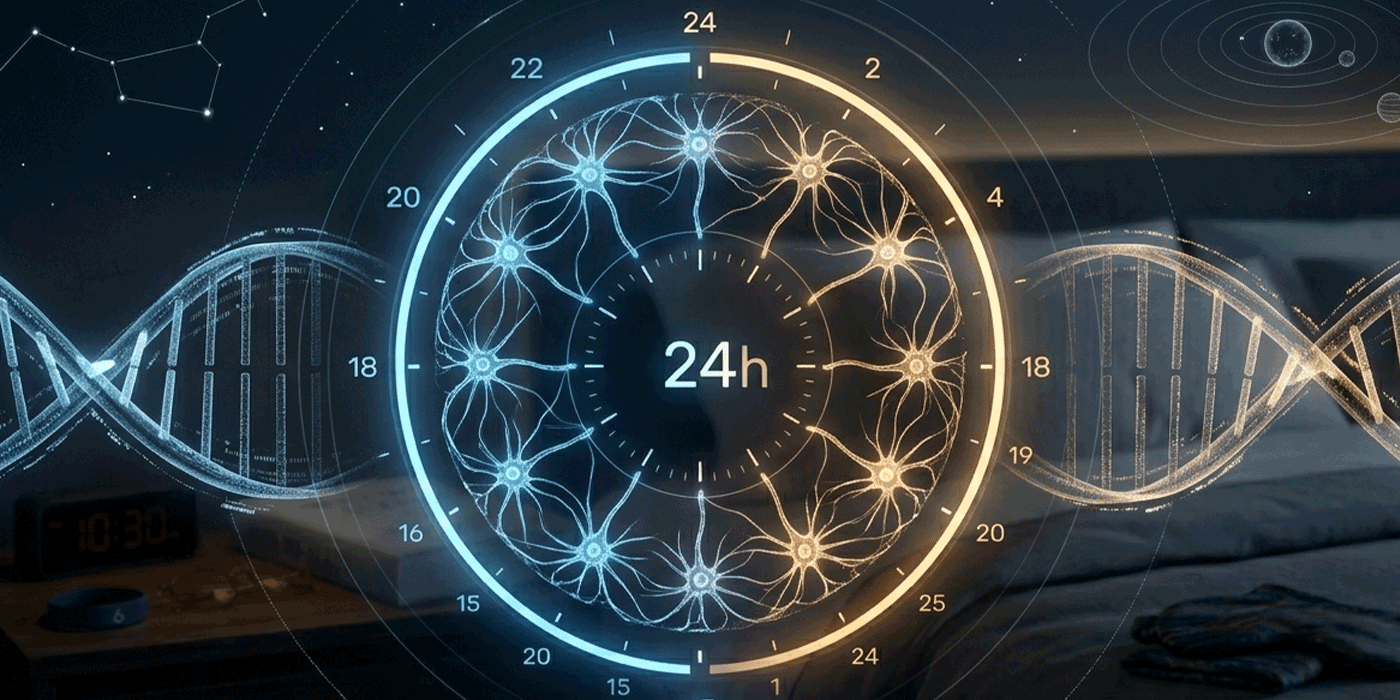
If there is one rule that Matthew Walker emphasizes above all others, it is the importance of regularity. Going to bed and waking up at the same time every day, including weekends, is the single most effective way to stabilize your internal circadian rhythm. Our bodies operate on a 24-hour cycle that relies on predictable patterns to manage the release of hormones like melatonin and cortisol. When we constantly change our sleep schedule, we create a state of internal chaos that mimics the effects of permanent jetlag, making it difficult for the brain to know when to be alert and when to rest. Consistency provides the anchor that allows the nervous system to function with maximum efficiency and minimal stress.
The "weekend catch-up" is a common myth that Walker debunked, explaining that sleep is not like a bank where you can accumulate debt and pay it back later. Once a night of sleep is lost, the biological damage is done, and sleeping in on Saturday morning does not fully restore the cognitive or physical functions that were impaired during the week. In fact, sleeping in late on the weekends can actually make it harder to fall asleep on Sunday night, creating a "Monday morning blues" effect that lingers for days. The goal should be to find a sustainable rhythm that works for your life and stick to it with military precision. This discipline is what separates those who merely survive from those who truly thrive.
A consistent routine also helps to prime the brain for sleep through the power of classical conditioning. By performing the same set of relaxing actions every night—such as reading, dimming the lights, or practicing deep breathing—you are training your brain to recognize the upcoming transition to rest. This reduces the time it takes to fall asleep and improves the overall quality of the night by lowering the levels of arousal in the nervous system. Regularity is the ultimate form of self-care, providing a stable foundation for every other aspect of your health and performance. It is the most powerful tool we have to ensure that our internal clock remains synchronized with the world around us.
"Regularity is king; your brain thrives on predictability, and a fixed schedule is the anchor that holds your health together."
The commitment to a fixed schedule requires a level of intentionality that is often missing in our modern, distraction-filled lives. However, the rewards for this discipline are immense, manifesting in higher energy levels, improved mood, and a sharper intellect. Matthew Walker’s work proves that we cannot expect peak performance from our bodies if we treat our rest as an afterthought or a variable. By making sleep a non-negotiable part of our daily structure, we are giving ourselves the best possible chance to succeed in every other area of life. It is an act of biological respect that pays dividends in longevity and vitality.
Ultimately, the rule of regularity is about taking ownership of your biological destiny. It is a rejection of the chaotic and erratic patterns that define so much of contemporary life in favor of a more balanced and conscious way of being. As we anchor our lives in a consistent rhythm, we find that everything else begins to fall into place with greater ease. This is the secret to sustainable excellence: a life built on a foundation of predictable, high-quality recovery.
Digital Detox and Melatonin Suppression
Understanding the neurological impact of blue light and how our screen habits are actively delaying the brain's ability to transition into sleep.
The rise of the digital age has introduced a new biological disruptor: the pervasive presence of blue light from our smartphones, tablets, and LED screens. Matthew Walker explains that this specific wavelength of light mimics the frequency of the morning sun, which effectively tricks the brain into believing it is still daytime. When our eyes are exposed to screens late at night, it sends a powerful signal to the suprachiasmatic nucleus—the master clock of the brain—to suppress the production of melatonin. This hormone is the biological starting gun that tells the body the race of wakefulness is over and it is time to rest. By artificially extending our daylight hours through technology, we are pushing back our sleep onset and shortening our critical window of recovery.
The consequences of this light pollution go beyond just staying up too late; it also impacts the depth of the sleep we do manage to get. Even if you fall asleep immediately after putting your phone away, the quality of your REM sleep is often compromised because the brain's neurochemistry has been stimulated right up until the moment of unconsciousness. Walker points out that reading a physical book under a warm, dim light is vastly superior to using an e-reader that emits blue light directly into the retina. This simple change in evening habits can lead to a significant increase in the release of melatonin, allowing for a more natural and profound transition into the dreaming stages of sleep.
To protect our neurological health, we must implement a digital curfew at least one hour before we intend to sleep. This hour should be dedicated to a low-stimulation environment where the brain can begin to decompress and detach from the high-speed information flow of the internet. If you must use devices, Walker recommends utilizing blue light filters or wearing amber-tinted glasses that block the most disruptive wavelengths. However, the ultimate goal is to remove the source of the stimulus entirely and allow the nervous system to return to a state of quietude. By reclaiming our pre-sleep hour from the grip of digital distractions, we create the necessary space for our biological processes to function as nature intended.
„We are a dark-deprived society; without the signal of darkness, our brains cannot release the hormones needed to initiate the vital process of repair.“
The challenge of the digital detox is not just about the light itself, but also about the psychological arousal caused by social media and emails. Every notification triggers a small hit of dopamine or cortisol, keeping the brain in a state of high alert that is incompatible with the relaxation required for rest. Matthew Walker’s research suggests that the "information binge" we engage in before bed is one of the leading causes of modern insomnia and anxiety. By consciously choosing to disconnect, we are choosing to prioritize our long-term mental health over short-term digital gratification. It is a vital act of boundaries in an era where work and leisure are increasingly blurred.
Ultimately, mastering our lighting environment is one of the most direct ways to take control of our sleep onset. It requires a shift in our relationship with technology, viewing it as a tool that must be put away to allow our biological machinery to reset. As we reintroduce the signal of darkness into our homes, we find that our bodies naturally know what to do. The return to a more primitive lighting cycle is a key step in optimizing our circadian health. This is the foundation of a conscious evening routine that serves our highest potential.
Navigating Middle-of-the-Night Wakefulness
Why the bedroom should remain a sanctuary for rest and the psychological techniques used to break the cycle of nocturnal frustration.
One of the most distressing experiences for many is waking up in the middle of the night and being unable to return to sleep. Matthew Walker emphasizes that the worst thing you can do in this situation is to remain in bed for long periods while feeling frustrated or anxious. The human brain is a master at associative learning, and if you lie awake for hours, your brain will begin to link the bedroom with the state of being awake and stressed. This creates a conditioned response where just entering the room can trigger alertness rather than relaxation. To break this cycle, you must physically remove yourself from the environment if you haven't fallen back asleep within approximately twenty minutes.
The strategy of "stimulus control" involves moving to a different room and engaging in a quiet, non-stimulating activity under very dim light. This could be reading a non-fiction book, knitting, or practicing a gentle meditation—anything that does not involve a screen or intense mental effort. You should only return to bed when you feel the genuine onset of sleepiness, thereby reinforcing the mental connection that the bed is for sleeping only. This technique prevents the bedroom from becoming a theater of anxiety where you "perform" the act of trying to sleep. By being proactive about your wakefulness, you actually shorten the time it takes to find your way back to rest.
Furthermore, Walker warns against the temptation to check the clock or your phone during these periods of wakefulness. Knowing the exact time only increases the "math of despair," where you calculate how many hours are left before you have to wake up, which triggers a stress response that further delays sleep. The goal is to remain in a state of relaxed indifference toward the wakefulness, trusting that your body will eventually take the sleep it needs if you provide the right environment. This psychological shift from fighting sleep to accepting the moment is a critical component of overcoming insomnia. It is about removing the pressure to perform and allowing the biological drive for sleep to take over naturally.
„If you wouldn't sit at the dinner table waiting to get hungry, don't lie in bed waiting to get sleepy; move to another room and wait for the signal.“
This approach requires a certain level of discipline and trust in the body’s self-regulating mechanisms. By refusing to engage with the frustration of wakefulness, you are signaling to your nervous system that there is no emergency, allowing it to move back into the parasympathetic state. Matthew Walker’s advice reminds us that sleep cannot be forced; it can only be invited through the right conditions. Once the association between the bed and sleep is restored, the frequency and duration of these midnight interruptions typically decrease. It is a long-term investment in the integrity of your sleep sanctuary.
Ultimately, navigating the night with patience and strategy is what separates successful sleepers from those trapped in a cycle of exhaustion. We must treat our sleep environment with the same respect we give to any high-performance space, ensuring it remains dedicated to its primary purpose. By mastering our response to wakefulness, we take the power back from our anxieties and place it in the hands of our biology. This is the path to a truly restorative night.
The Evolutionary Necessity of Dreaming
The profound role of REM sleep in emotional processing, creativity, and why we cannot afford to skip the final hours of the night.
While deep sleep is focused on physical repair, the stage of REM (Rapid Eye Movement) sleep is where the brain handles its most complex emotional and cognitive work. Matthew Walker describes REM sleep as a form of "overnight therapy," where the brain processes the difficult experiences of the day and strips away the painful emotional charge. This allows us to wake up the next morning with a fresh perspective and a more stable emotional baseline. Without enough REM sleep, we become reactive, irritable, and less capable of navigating social complexities. Most of our REM sleep occurs in the second half of the night, meaning that those who cut their sleep short by waking up early are disproportionately depriving themselves of this vital emotional processing.
In addition to emotional health, REM sleep is the primary driver of creativity and problem-solving. During this stage, the brain makes unexpected connections between disparate pieces of information, leading to the "eureka" moments we often experience after a good night's rest. Walker explains that we are effectively building a revised web of knowledge every night, integrating new memories into our existing framework of understanding. This is why "sleeping on it" is a scientifically valid strategy for complex decision-making. By sacrificing these final hours of sleep, we are stifling our creative potential and limiting our ability to innovate in our professional and personal lives.
The evolutionary persistence of dreaming despite the vulnerability it creates suggests that its benefits are essential for the survival of a conscious species. We are the only animals known to have such a complex and lengthy period of REM sleep, which may be what allowed our ancestors to develop social cooperation and abstract thinking. Matthew Walker’s work urges us to protect the full eight-hour window to ensure we don't miss out on these higher-order cognitive functions. Dreaming is not just a random byproduct of sleep; it is a sophisticated biological program designed to enhance our human potential. To reach our highest level of consciousness, we must allow our dreams the time they need to work.
„REM sleep is the glue that binds information together in creative ways; it is the difference between having a memory and having wisdom.“
Protecting the REM stage means being particularly mindful of substances like alcohol, which is one of the most powerful suppressors of REM sleep. While a nightcap might help some fall asleep faster, it leads to a fragmented and dreamless night that leaves the brain emotionally exhausted the next day. Walker emphasizes that a truly conscious future requires us to value the "unproductive" hours of dreaming as much as our waking hours of labor. When we respect the full cycle of the night, we gain access to a level of intelligence and emotional maturity that cannot be achieved through effort alone. It is a gift of our biology that we must learn to cherish.
Ultimately, the science of dreaming reveals that sleep is an active and creative state that is fundamental to the human identity. By ensuring we get enough REM sleep, we are nurturing our ability to be empathetic, creative, and wise. Matthew Walker’s research provides the bridge between the biology of the brain and the aspirations of the spirit. As we embrace the full spectrum of our sleep, we unlock the true depth of our potential.
Building a Conscious Sleep Environment
The final blueprint for a high-performance sleep sanctuary and why your environment is the ultimate predictor of your long-term vitality.
Building a conscious sleep environment is the final and most important step in the journey toward human full potential. This involves more than just a good mattress; it is a holistic approach to the space where we spend a third of our lives. Matthew Walker reminds us that the bedroom should be a sacred space, free from the intrusions of work, technology, and clutter. By removing televisions, laptops, and even excessive light sources, we are signaling to our subconscious that this room is reserved for the most essential act of self-repair. Every element of the room, from the color of the walls to the quality of the air, should be optimized to promote a sense of safety and tranquility.
The final pillar of this sanctuary is the elimination of noise and the introduction of soothing, consistent sounds if necessary. For those living in urban environments, white noise machines or earplugs can be essential tools to prevent environmental sounds from triggering a stress response during the night. The goal is to create a predictable and stable sensory environment that allows the brain to feel completely secure in letting go of its vigilance. When we feel safe, we sleep deeper, and when we sleep deeper, we live better. This environment is the foundation upon which all other health interventions are built, and it should be treated with the highest priority.
Ultimately, the lessons from Matthew Walker teach us that sleep is not a passive event that happens to us, but an active discipline that we must master. By applying the six sleep hacks—regularity, temperature control, darkness, avoiding stimulants, managing wakefulness, and respecting the chronotype—we take the first steps toward a more conscious and vibrant future. The blueprint for human potential is written in the quality of our nights, and the choice to prioritize rest is the most powerful decision we can make for our longevity. It is time to wake up to the power of sleep and transform our lives from the inside out.
„A high-quality sleep environment is not a luxury; it is the laboratory where your future health and your highest potential are being manufactured every night.“
As we conclude this exploration of sleep science, we must recognize that the journey to health is a continuous process of alignment with our nature. The work of Matthew Walker provides the clarity and the tools we need to navigate a world that is often at odds with our biology. By creating our own sleep sanctuaries, we are building the resilience needed to face the challenges of the modern age with grace and clarity. This is the ultimate gift we can give to ourselves and to those around us: a version of ourselves that is fully rested, fully present, and fully alive.
Let the science of sleep be the guide that leads you back to your true self. By honoring the requirements of your brain and body, you are setting the stage for a life of profound fulfillment and lasting vitality. The future belongs to those who rest well today. Embrace the darkness, respect the rhythm, and unlock the full potential that lies within the silence of the night.
Thank you, Matthew Walker.
Sources & References
Article Download as PDF
To provide a permanent record for your focused study, the full investigative report is available here as a professional document for your private records.
Read the analysis as a PDF in your browser
Click here to read the full analysis conveniently as a PDF document directly in your browser.
Complementary Video Insights
To complement this article, I have uploaded two deep-dive videos to my YouTube channel:
Matthew Walker
Matthew Walker
Support Independent Journalism
Your Support Options
PayPal: Direct Donation - Fast, secure, and globally recognized for one-time contributions.
BuyMeACoffee
Micro-Support: Perfect for a quick, casual digital coffee to show your thanks.
Stripe
Credit Card / Bank: Professional processing for subscriptions or larger donations.
If you find my work valuable, you can support it with a voluntary contribution here:
PayPal
Buy Me a Coffee
Stripe
Many thanks for your support!